The Committee of the Interdisciplinary Forum of Frontier Sciences (IFFS) is composed of distinguished scholars and experts from diverse disciplines and institutions. It provides academic leadership and strategic guidance for the Forum, overseeing the scientific program, peer-review process, and overall quality assurance to ensure a rigorous and impactful international meeting.
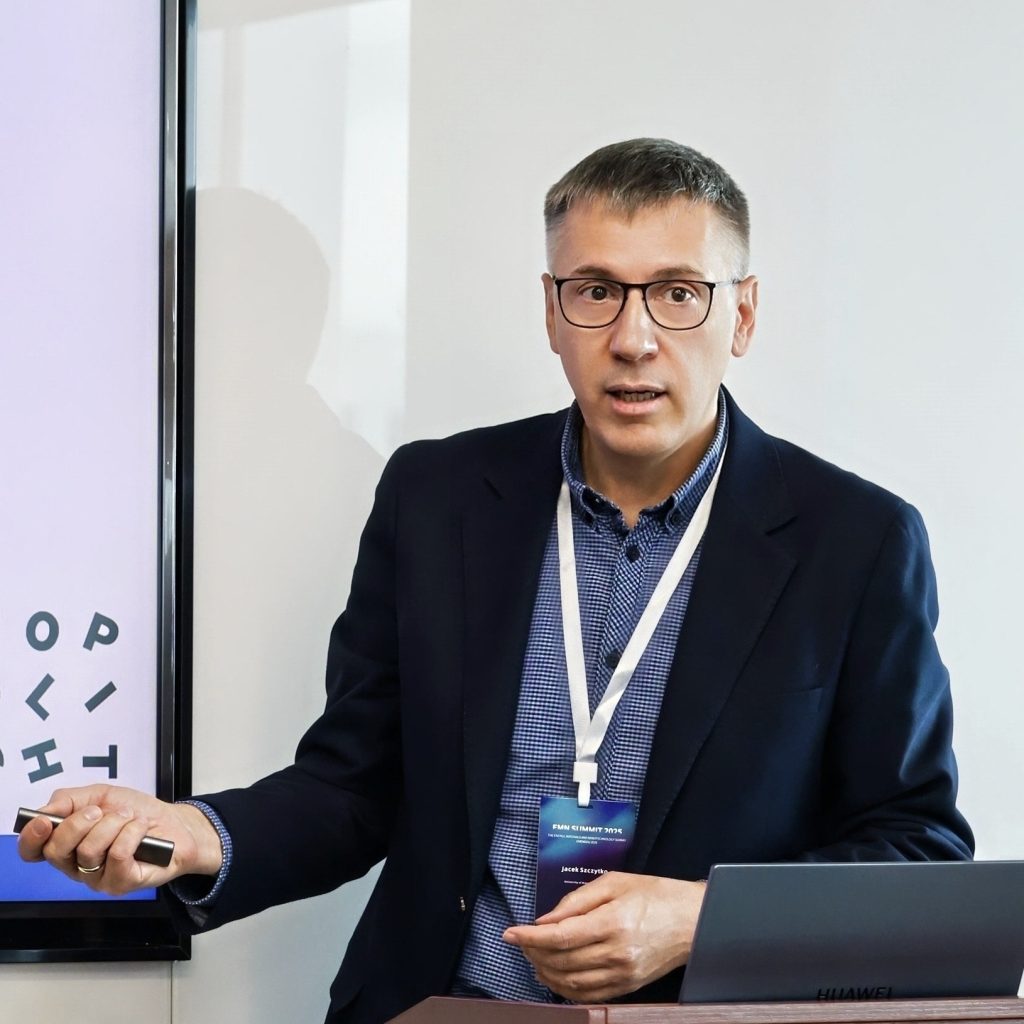
Jacek Szczytko
University of Warsaw, Poland
Krzysztof Turzynski
University of Warsaw, Poland
Zhiming Wang
University of Electronic Science and Technology of China
Warsaw, Poland
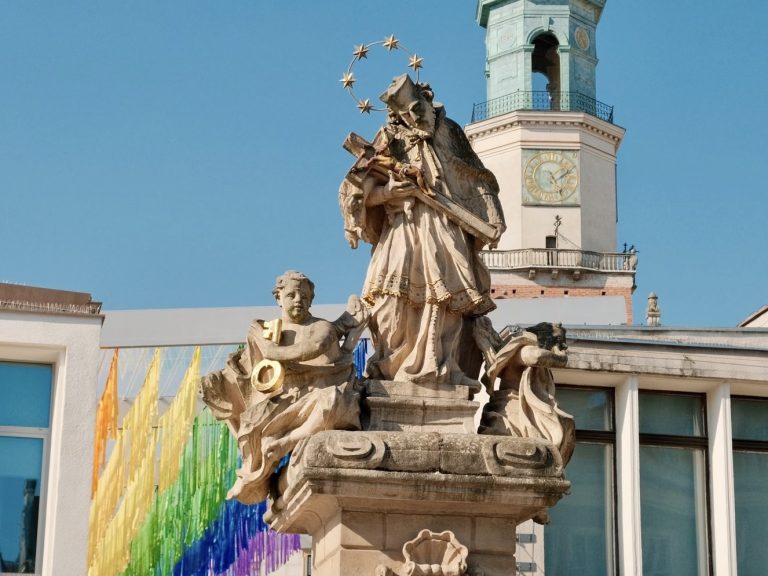
Shaped by a rich history and renowned for its cultural life, Warsaw blends preserved heritage with a vibrant contemporary identity. As a major European capital, it offers an inviting environment for international exchange—supported by leading universities, research institutes, and a growing innovation ecosystem.
If there is a city that truly understands the meaning of “rebuilding,” it is Warsaw. Walking through the Old Town Market Square, it is hard to imagine that this harmonious ensemble of pastel façades and narrow streets was almost destroyed during World War II. Meticulously reconstructed from historical records, paintings, and collective memory, the Old Town represents more than architectural restoration, it is an act of cultural remembrance. In nearby cafés, conversations unfold quietly, and the city reveals its calm, measured rhythm.
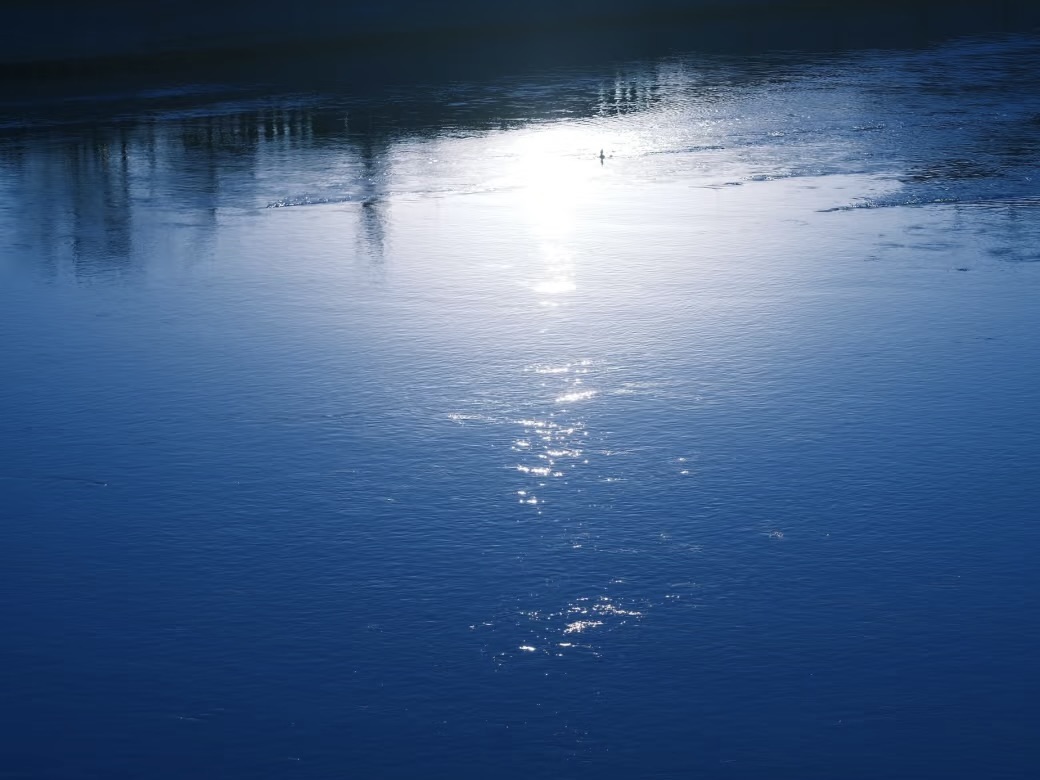
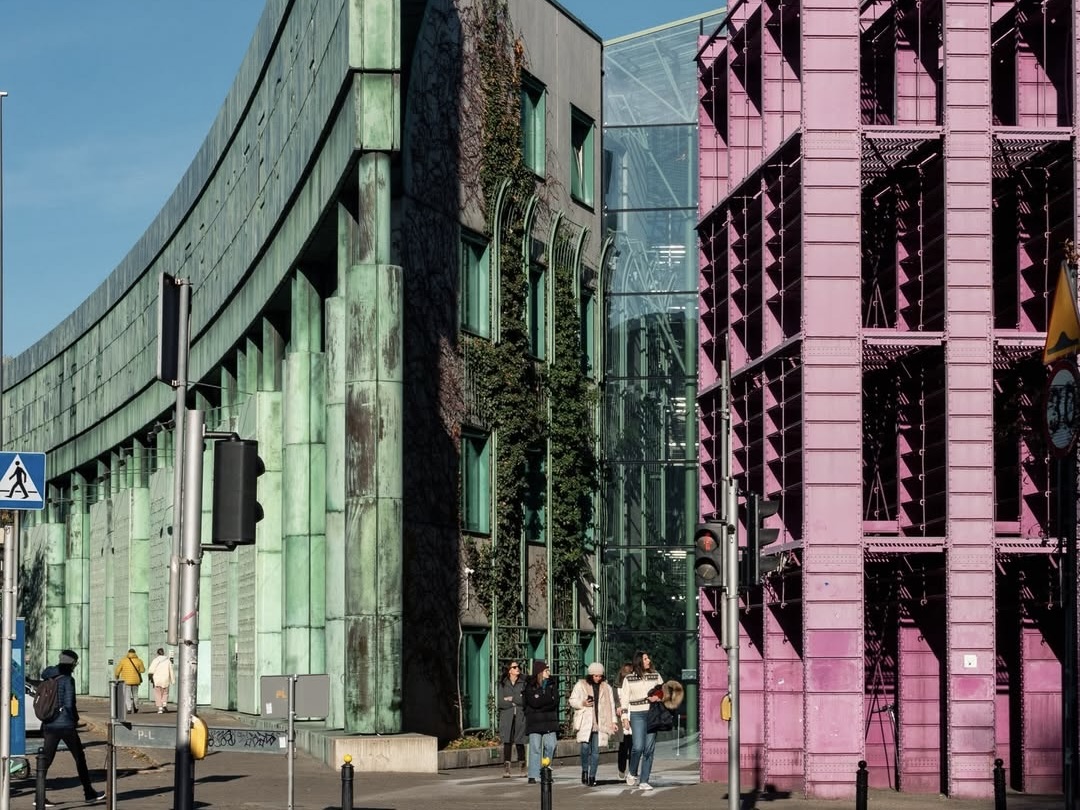
The Vistula River flows gently through Warsaw, separating yet connecting different eras. On one bank stand carefully restored historic quarters; on the other rises a modern skyline of glass and steel. This coexistence feels natural rather than forced, reflecting the city’s character: honest about its past, yet firmly oriented toward the future. In the evenings, the riverbanks turn into informal gathering spaces, where people sit, talk, and linger.
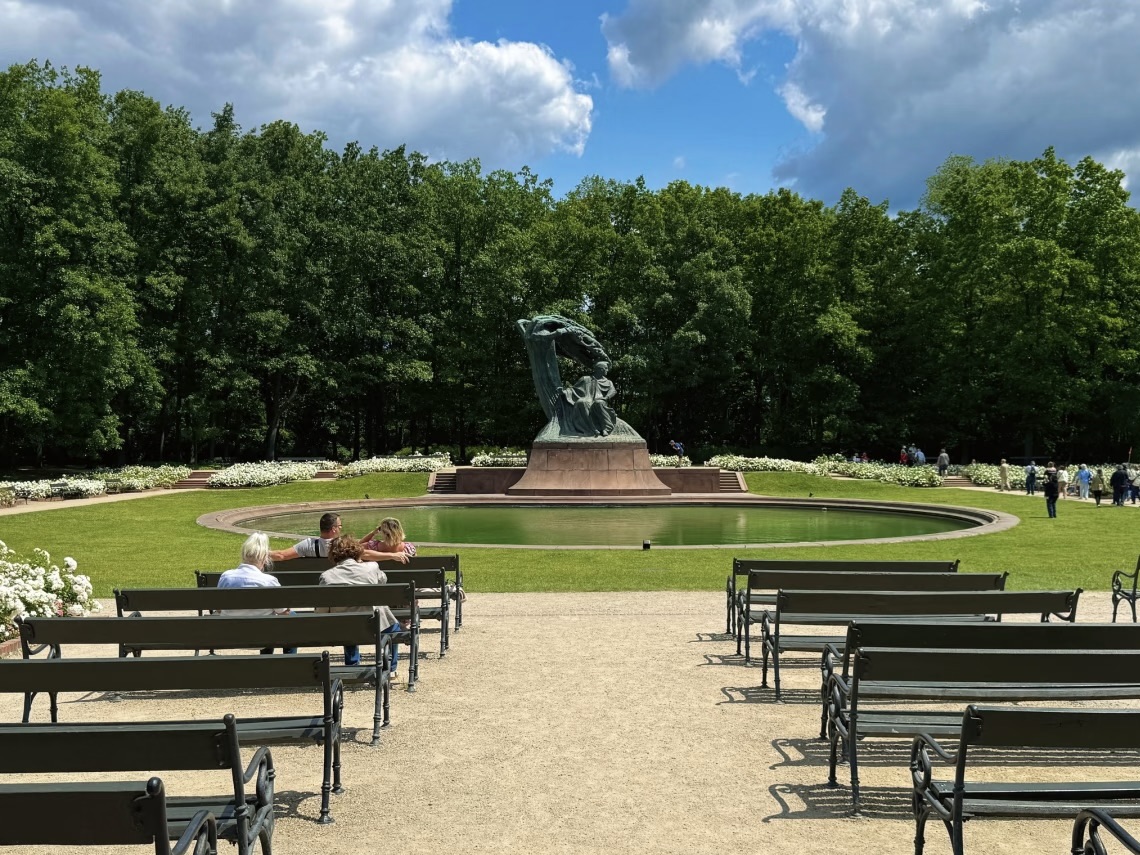
As Poland’s intellectual and academic center, Warsaw integrates universities and research institutions seamlessly into urban life. Campuses are open, and scholarly discussions often continue in parks, cafés, and small bars. The academic atmosphere here is rigorous but approachable, grounded in dialogue, critical thinking, and interdisciplinary exchange. Music adds a quieter emotional layer to the city. As the birthplace of Chopin, Warsaw holds a deep sensitivity to sound and expression. In summer, open-air piano concerts in Łazienki Park draw listeners who sit together in silence, sharing a moment of collective attention beneath the trees.
Modern Warsaw is a city of understated strength. Through restraint and persistence, it tells a story of memory, renewal, and intellectual freedom. For visiting scholars, it offers more than a venue for collaboration, it provides a setting that invites reflection, depth, and a genuine sense of connection.