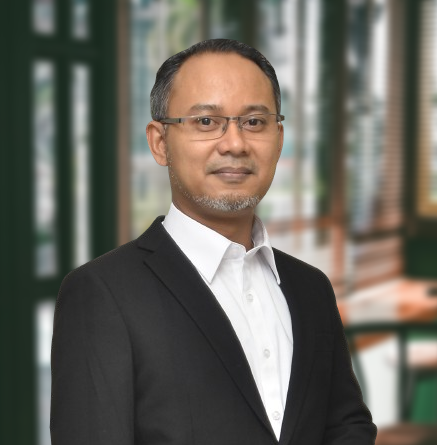
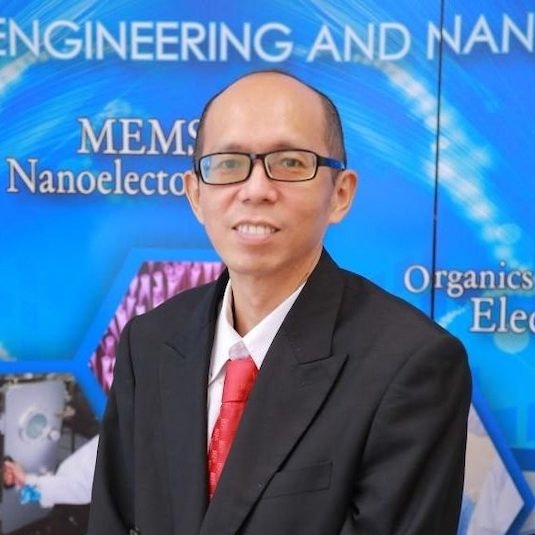
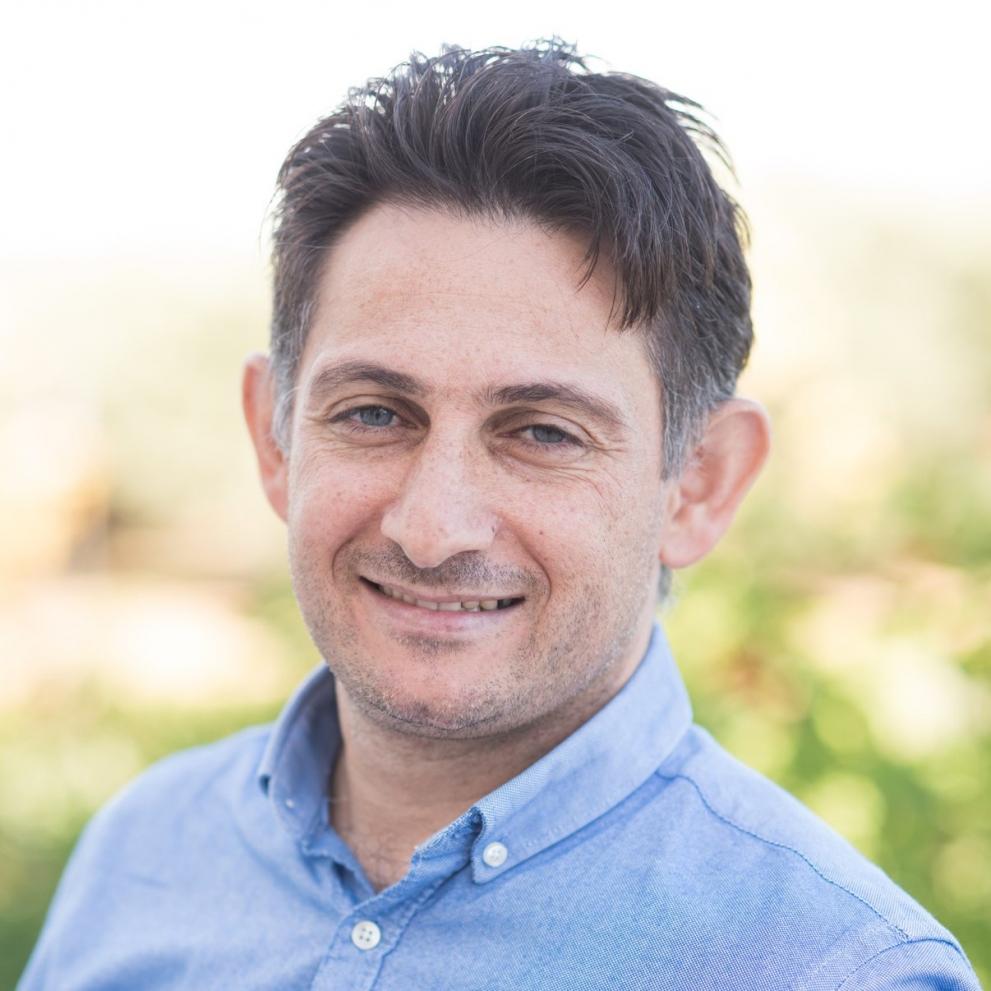
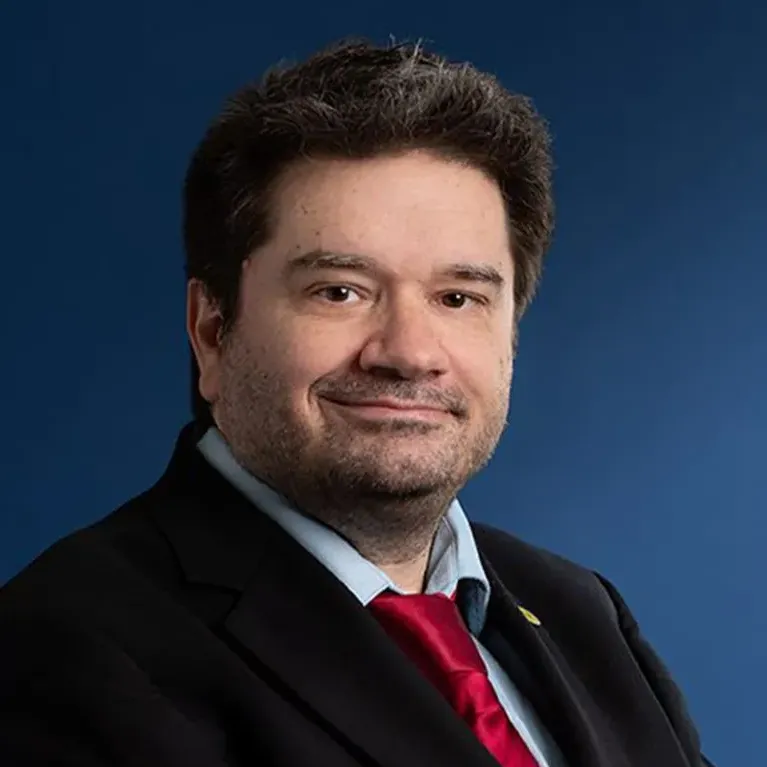
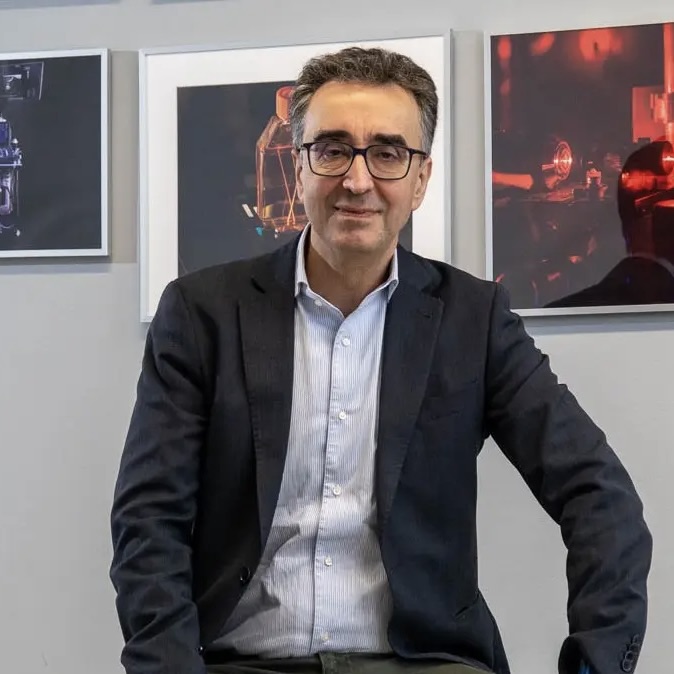
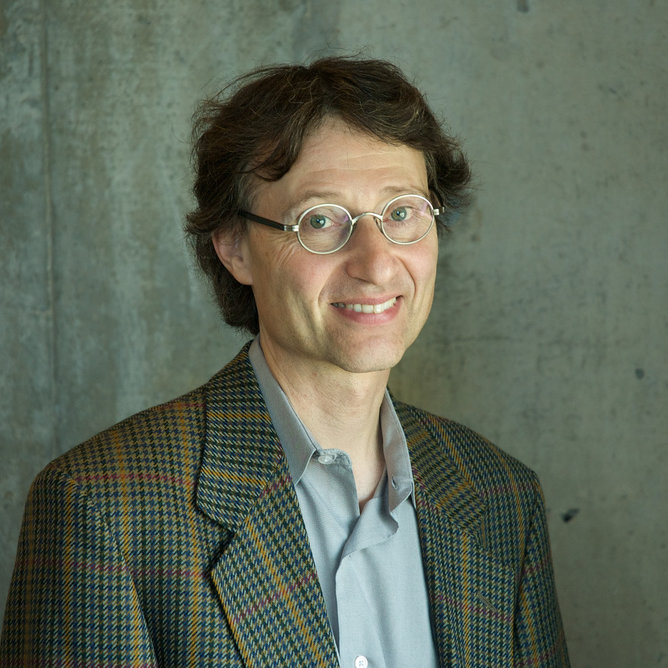
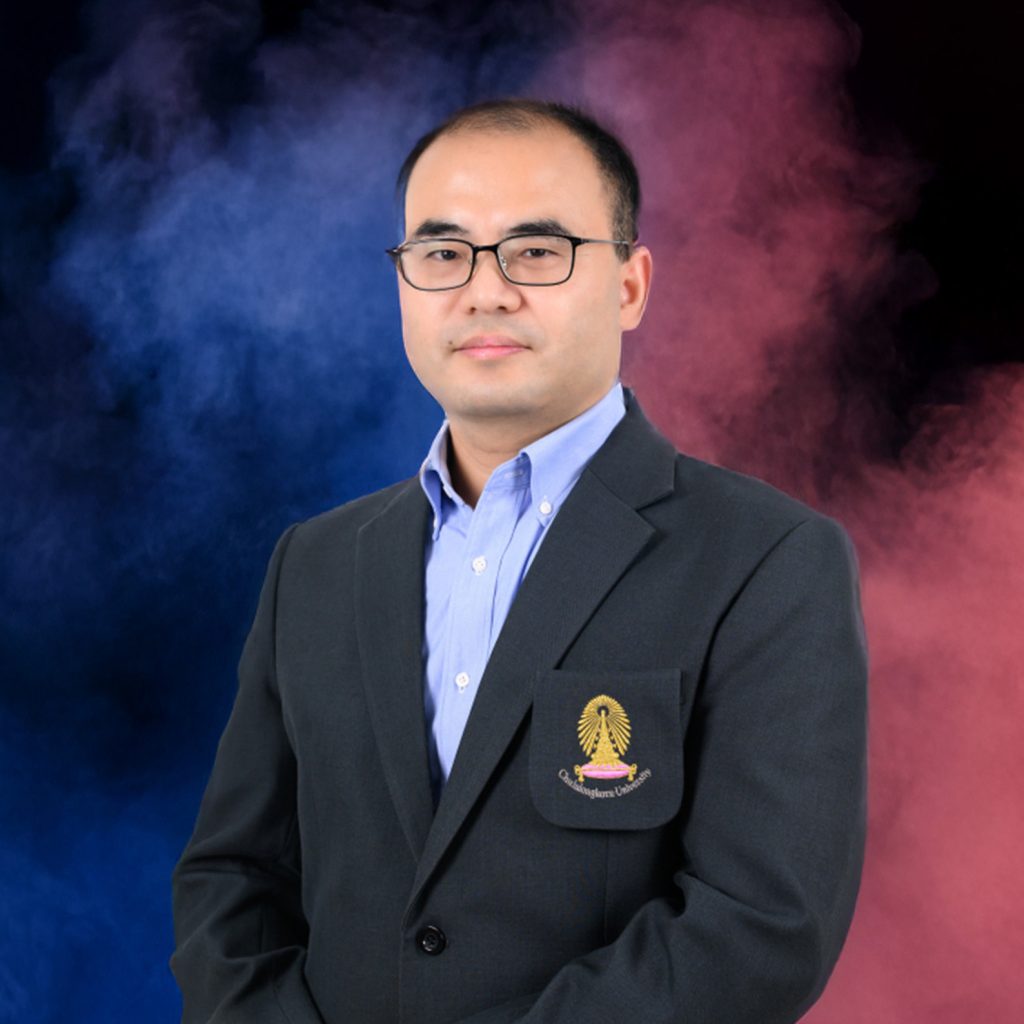
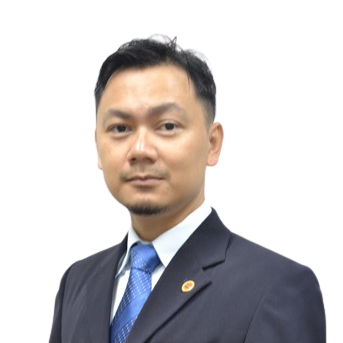
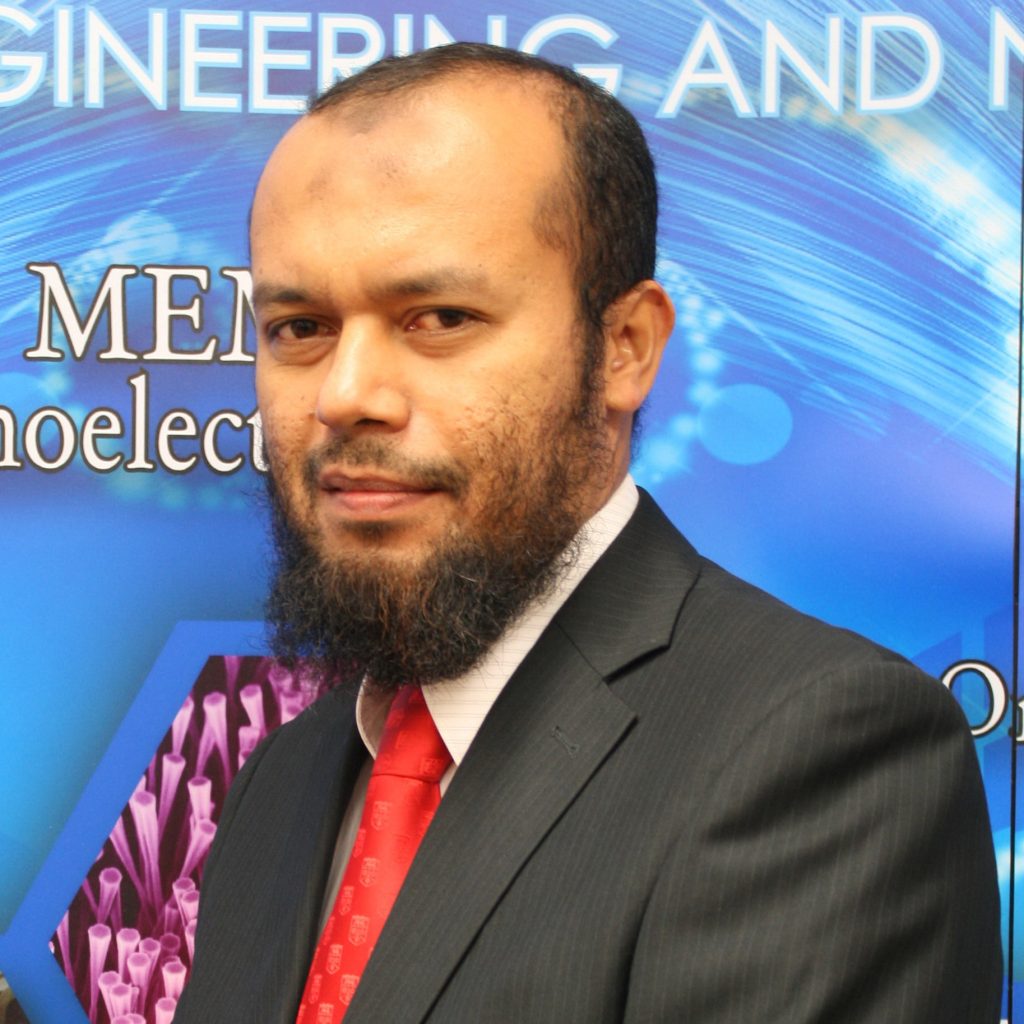
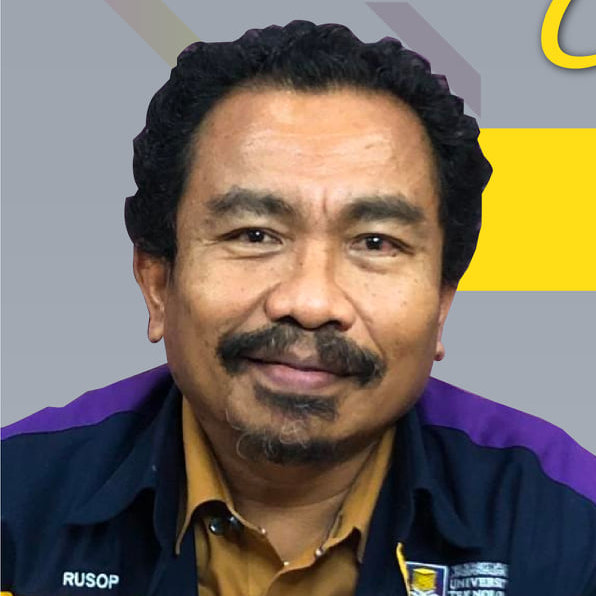
The Committee of the Interdisciplinary Forum of Frontier Sciences (IFFS) is composed of distinguished scholars and experts from diverse disciplines and institutions. It provides academic leadership and strategic guidance for the Forum, overseeing the scientific program, peer-review process, and overall quality assurance to ensure a rigorous and impactful international meeting.
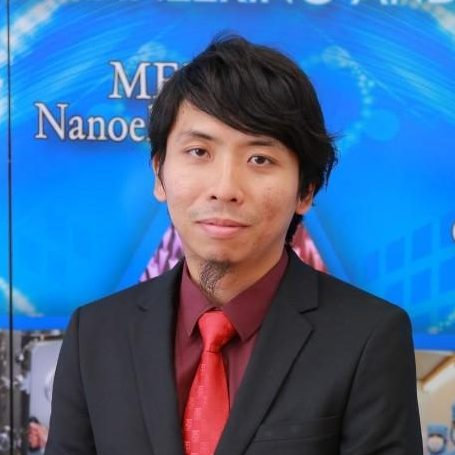
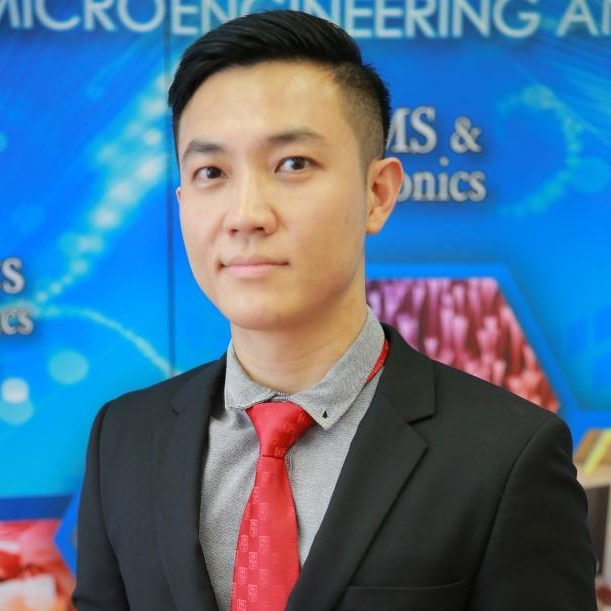
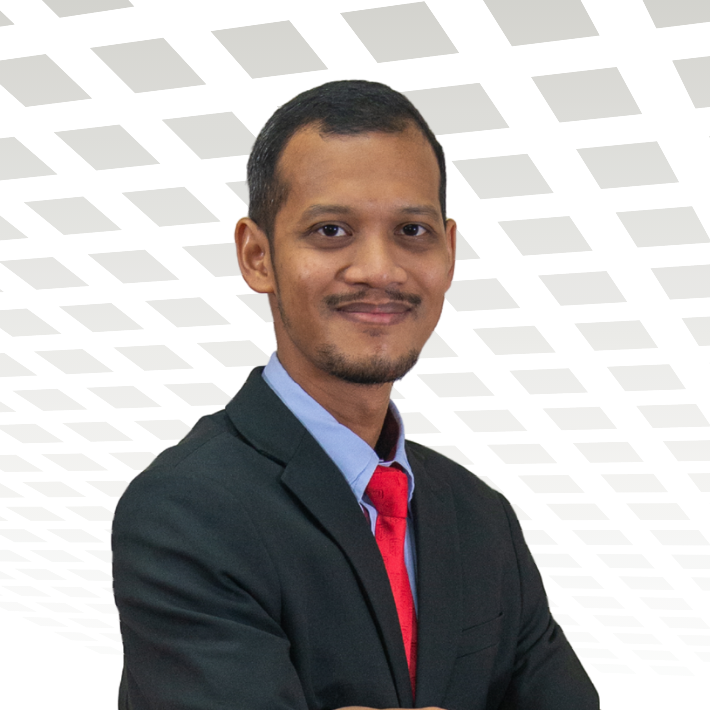
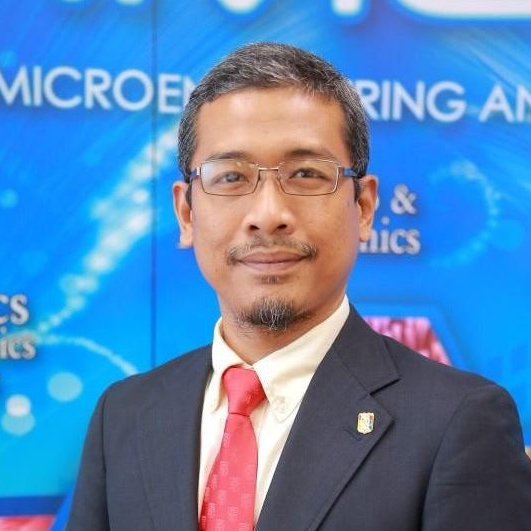
Ahmad Ashrif bin A Bakar
Universiti Kebangsaan Malaysia (UKM)
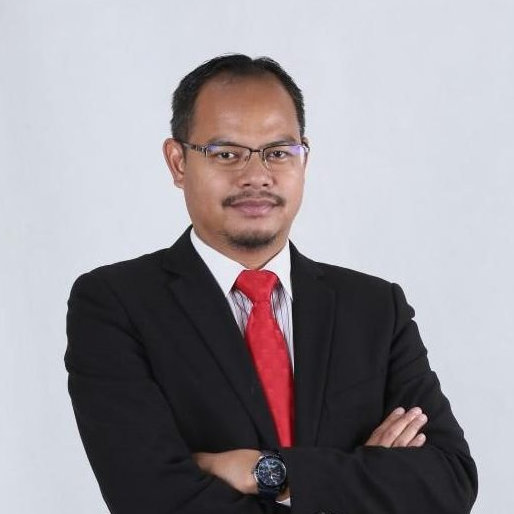
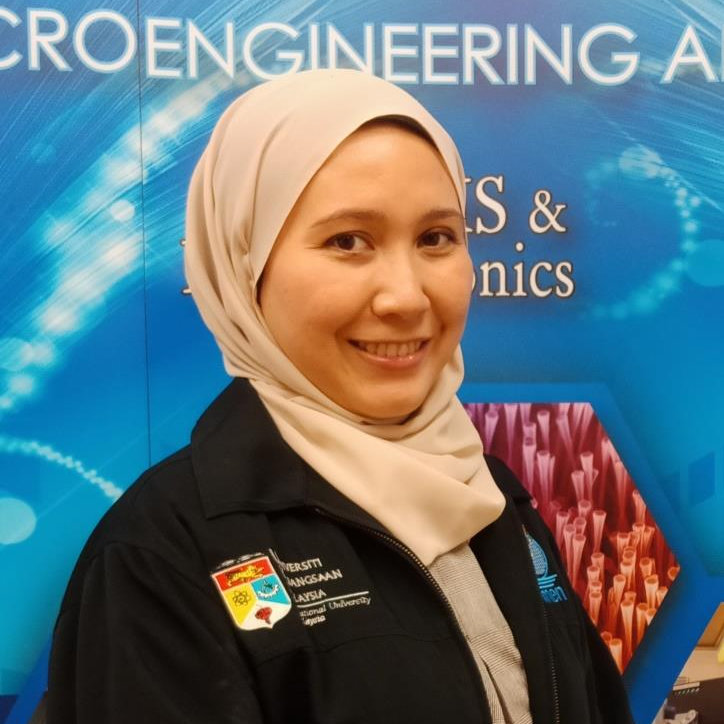
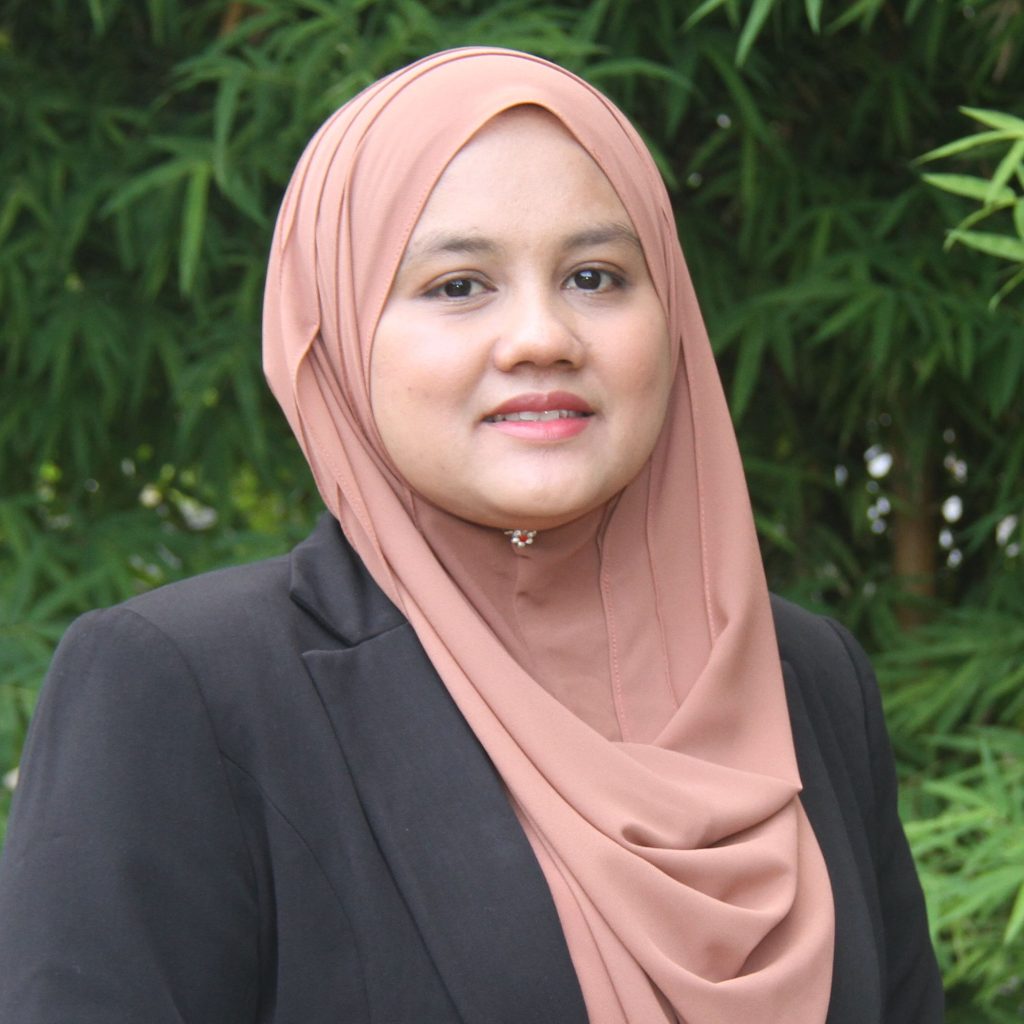
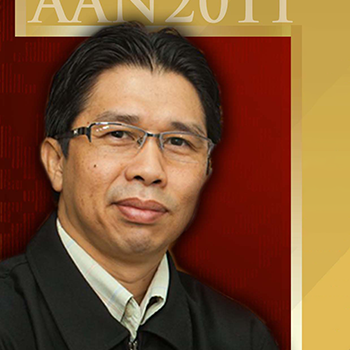
Chang Fu Dee
Universiti Kebangsaan Malaysia (UKM)
Emmanuel Stratakis
Foundalion for Research
Federico Rosei
University of Trieste
Giulio Cerullo
Politeenico di Milano
Harry Ruda
University of Toronto
Jiaqian Qin
Chulalongkorn Unlversilty
Jieshan Qiu
Beijing University of Chemical Technology
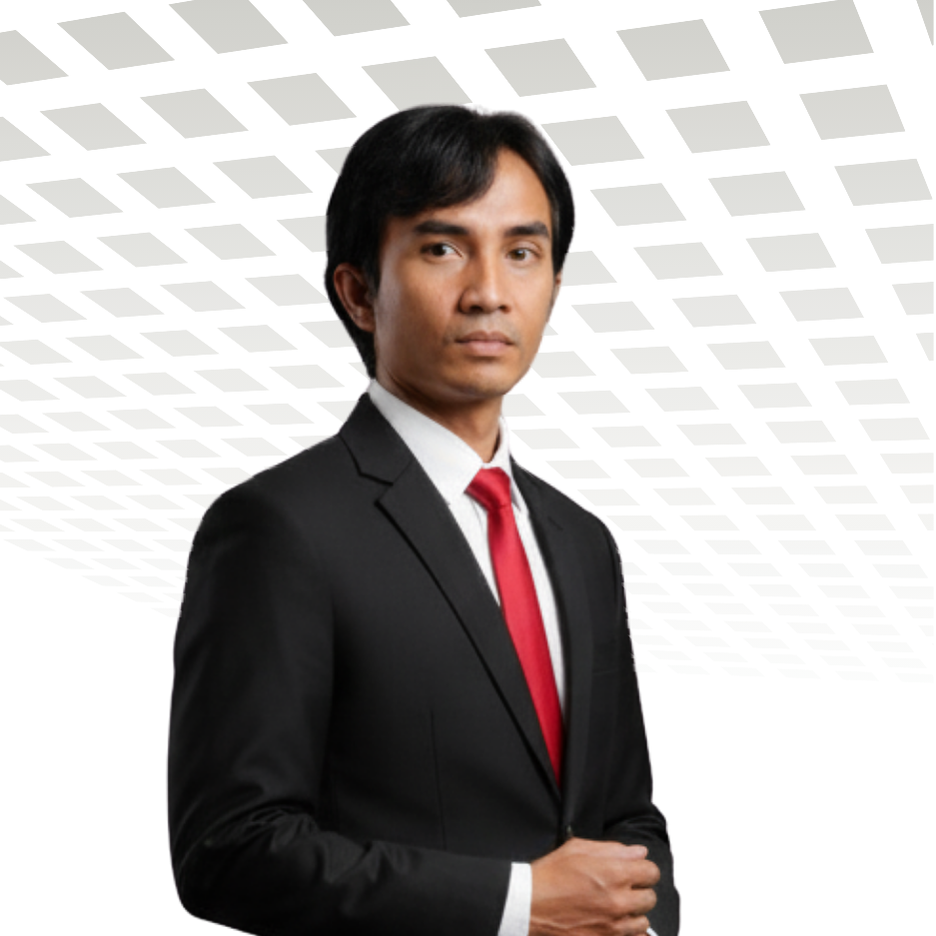
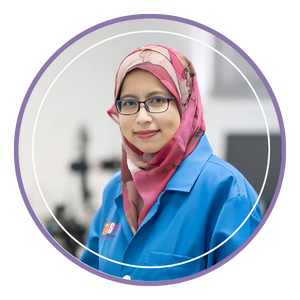
Mohd Farhanulhakim Mohd Razip Wee
Universiti Kebangsaan Malaysia (UKM)
Zhiming Wang
University of Electronlc Science and Technology
Local Vice-chair
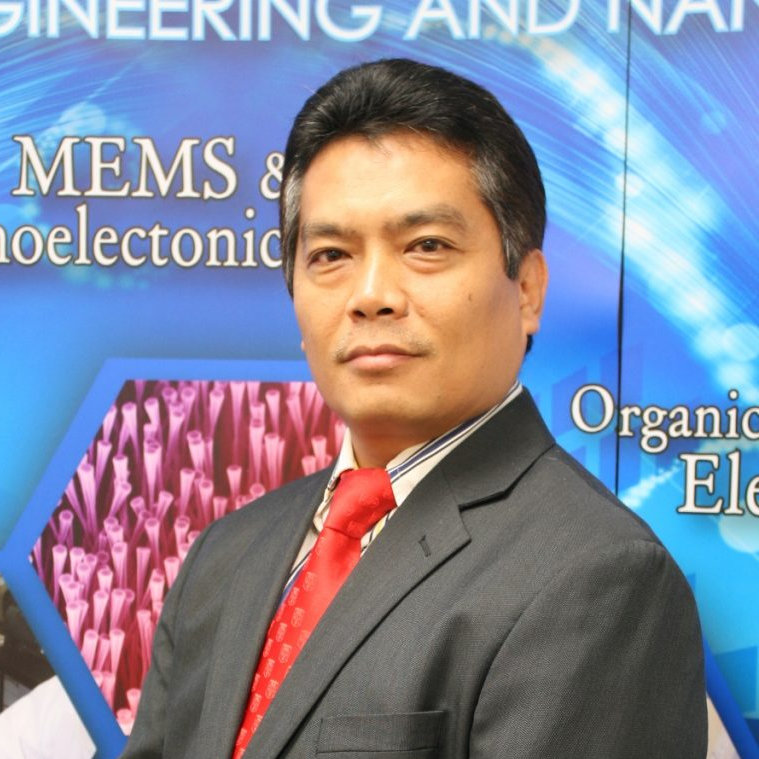
Azrul Azlan Hamzah
Universiti Kebangsaan Malaysia (UKM)
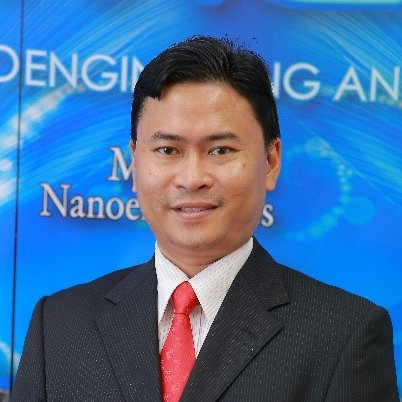
Mohd Ambri Mohamed
Universiti Kebangsaan Malaysia (UKM)
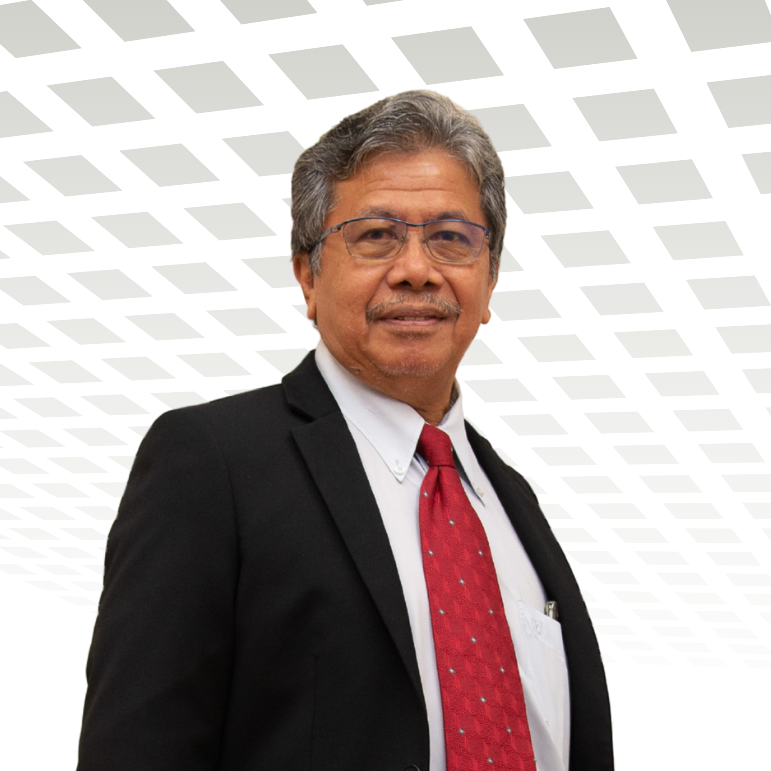
Masuri Othman
Universiti Kebangsaan Malaysia (UKM)
Ooi Poh Choon
Universiti Kebangsaan Malaysia (UKM)
Local Committee
Abdul Manaf bin Hashim
Universiti Teknologi Malaysia (UTM)
Dilla Duryha Berhanuddin
Universiti Kebangsaan Malaysia (UKM)
Masuri Othman
Universiti Kebangsaan Malaysia (UKM)
Mohamad Hafiz Bin Mamat
Universiti Teknologi MARA (UiTM)
Nafarizal bin Nayan
Universiti Tun Hussein Onn Malaysia (UTHM)
Akrajas Ali Umar
Universiti Kebangsaan Malaysia (UKM)
Goh Boon Tong
Universiti Malaya
Mohamad Rusop bin Haji Mahmood
Universiti Teknologi MARA (UiTM)
Muhammad Aniq Shazni Mohammad Haniff
Universiti Kebangsaan Malaysia (UKM)
Rozan binti Mohamad Yunus
Universiti Kebangsaan Malaysia (UKM)
Ahmad Ghadafi Ismail
Universiti Kebangsaan Malaysia (UKM)
Jumril Yunas
Universiti Kebangsaan Malaysia (UKM)
Mohd Adzir bin Mahdi
Universiti Putra Malaysia (UPM)
Muhamad Ramdzan Buyong
Universiti Kebangsaan Malaysia (UKM)
Zainovia binti Lockman
Universiti Sains Malaysia (USM)
Fields of Interest
Core Research & Technology
Quantum Information
Integrated Photonics
Artificial Intelligence
Applied Systems & Impact
New Materials
Carbon Neutrality
Biomedical Engineering
Invited Speakers
TBD
Mohamad Rusop bin Haji Mahmood
UiTMUniversiti Teknologi MARA (UiTM)
"Engineering Morphology and Interfacial Properties of Silicide-based Nanowires for Electrochemical Energy Storage and Magnetic Applications"
Goh Boon Tong
Universiti Malaya
TBD
Nafarizal bin Nayan
Universiti Tun Hussein Onn Malaysia (UTHM)
"Advanced Nanomaterials for Sustainable Hydrogen Production"
Rozan binti Mohamad Yunus
Universiti Kebangsaan Malaysia (UKM)
"Low-Dimensional Materials: Synthesis, Characterization, Applications, and Computational Studies"
Dee Chang Fu
Universiti Kebangsaan Malaysia (UKM)
"Beyond the Clausius-Mossotti Factor: Validating Bacterial Dielectric Properties"
Muhamad Ramdzan Buyong
Universiti Kebangsaan Malaysia (UKM)
"FET based biosensor for high precision biomolecules detection"
Azrul Azlan Hamzah
Universiti Kebangsaan Malaysia (UKM)
TBD
Mohd Ambri Mohamed
Universiti Kebangsaan Malaysia (UKM)
"Quantum Many-Body Sensors"
Abolfazl Bayat
University of Electronic Science and Technology of China
"Achievability of Heisenberg Limitvia Quantum Zeno Dynamicsand Dynamical Decoupling"
Tan Kok Chuan Bobby
University of Electronic Science and Technology of China
"High Entropy Lead-free Perovskites for Tunable Near IR Emitters"
Arup Neogi
University of Electronic Science and Technology of China
"Nanoscale Energy Converters: Bridging Optoelectronics and Photothermal Applications"
Zhiming Wang
Tianfu Jiangxi Laboratory
"3D-Printed Biomedical Actuators and Sensors"
Yi Zhang
University of Electronic Science and Technology of China
TBD
Silu Peng
Tianfu Jiangxi Laboratory
TBD
Chunyu Li
Tianfu Jiangxi Laboratory
TBD
Zeyu He
Tianfu Jiangxi Laboratory
"A Multifunctional Nanoplatform for the Attenuation of Amyloid-β Fibrils"
Zhuo Zhang
Tianfu Jiangxi Laboratory
“Investigation of Culturable Bacteria Associated with Medicinal Plants for Secondary Metabolite Profiling”
Purnima Neogi
Pennsylvania State University
"SERS for (bio)detection"
Ramon A. Alvarez-Puebla
Universitat Rovira i Virgili/ICREA
”Hydrothermal Synthesis of NaYF₄:Yb³⁺/Er³⁺ Upconversion Micro-crystals: Influence of Fluoride Concentration on Particle Crystallini-ty and Emission Intensity“
KOK-KEONG CHONG
Universiti Tunku Abdul Rahman
“Research and development of high-efficiency semiconductor optoelectronic functional materials, device integration and First-Principles studies”
Chenxin Zhou
Tianfu Jiangxi Laboratory
"Enhancing the Hydrogen Evolution Reaction of Transition Metal Dichalcogenides via Metallic NbS2 and Pt-MoS2"
Abdul Rahman Mohmad
Universiti Kebangsaan Malaysia (UKM)
”Optimization of Electrodeposited n-Cu2O Thin Film using Etching and Annealing Technique“
FARIZA BINTI MOHAMAD
Universiti of Tun Hussein Onn Malaysia
“Enhancing perovskite solar cells stability via additive engineering”
Akrajas Ali Umar
Institute of Microengineering and Nanoelectronics
"Design and Optimisation of Titanium Dioxide-Reduced Graphene Oxide (TiO2-rGO) Interdigitated Field-Effect Transistor (FET) for Biosensing Applications"
Manal Ammar
Universiti Kebangsaan Malaysia (UKM)
”PeritoCare: A wearable peritoneal dialysis device“
Azrul Azlan Hamzah
Institute of Microengineering and Nanoelectronics (IMEN), Universiti Kebangsaan Malaysia
”Lignocaine Distribution within Maltose-based Dissolvable Microneedles for Anaesthetic Therapy“
Arifah Syahirah Abdul Rahman
Institute of Microengineering and Nanoelectronics (IMEN), Universiti Kebangsaan Malaysia
“Performance Enhancement of Diketopyrrolopyrrole-dithienothiophene-Based Organic Thin Film Transistors (OTFTs) Using Solvent Variation”
Reni Silvia Nasution
Institute of Microengineering and Nanoelectronics (IMEN), Universiti Kebangsaan Malaysia
”Surface Modification of Sputtered LCO Thin Films“
Nafarizal Nayan
Universiti Tun Hussein Onn Malaysia
”Enhancing perovskite solar cells stability via additive engineering“
Akrajas Ali Umar
Institute of Microengineering and Nanoelectronics
“Experimentally profiling dielectric properties of Escherichia coli and Staphylococcus aureus by movement velocity and force”
Muhamad Ramdzan Bin Buyong
Institute of Microengineering and Nanoelectronics (IMEN), Universiti Kebangsaan Malaysia
Supporting Journal
Journal of Electronic Science and Technology
Journal of Electronic Science and Technology is an international scholarly journal focusing on electronic science, materials, devices, circuits, systems, and emerging technologies. It provides a platform for the dissemination of high-quality research in areas related to modern electronics and interdisciplinary technological innovation. Owing to its broad scope and strong relevance to the themes of this conference, it serves as an appropriate supporting journal for selected contributions.
A concise and clear title that highlights the research topic.
Background / Introduction
Provide the research background and describe the problem being addressed.
Methods
Describe the experimental design, data sources, analytical methods, or theoretical approaches.
Conclusion
Summarize the key findings and their significance.
Contact Information
Include an email address or QR code for further communication.
Authors and Affiliations
Include the student, supervisor, collaborators, and their affiliated institutions.
Objectives / Aim
State the purpose and objectives of the study.
Results
Present the main findings using figures, tables, images, and data.
Acknowledgements / Funding
Acknowledge funding sources, research projects, supervisors, or other support where applicable.
Poster Size
A0 (Portrait)
841 mm × 1189 mm
Kuala Lumpur, Malaysia
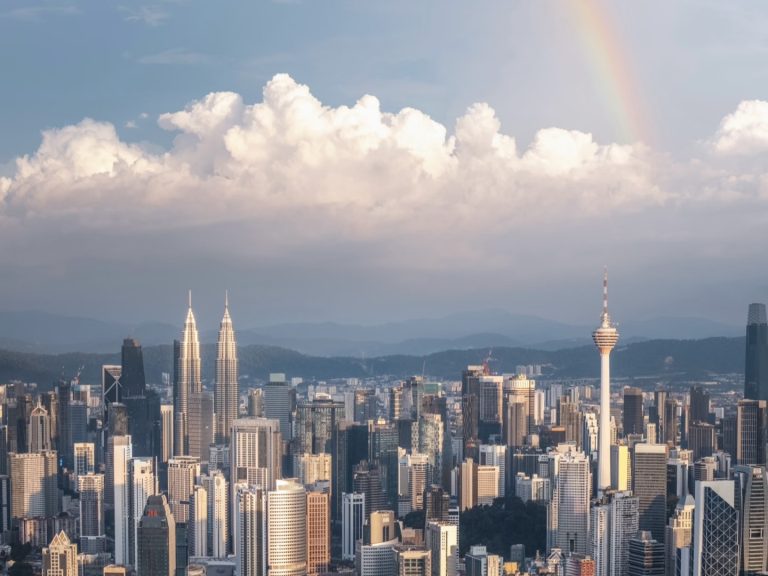
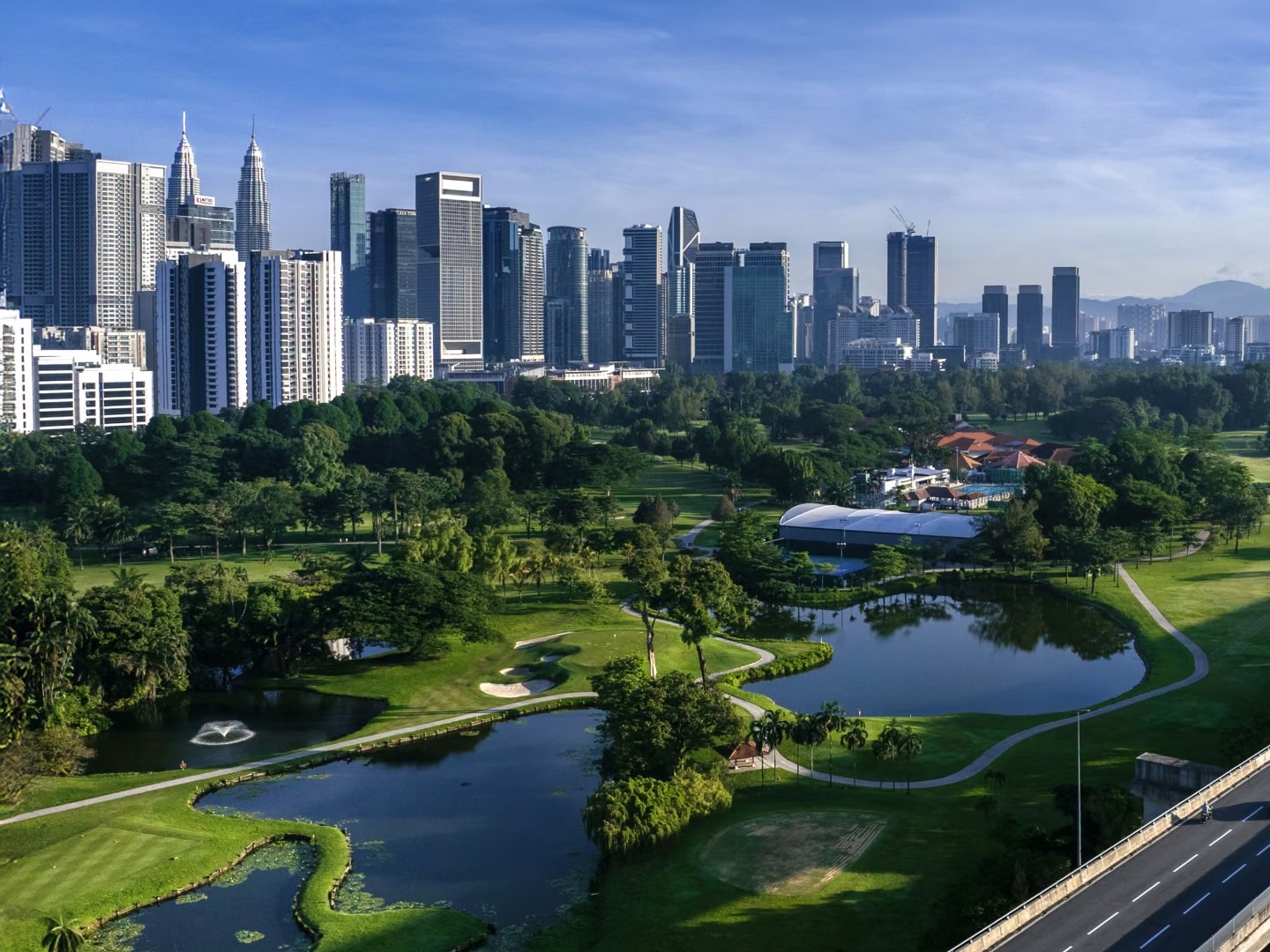
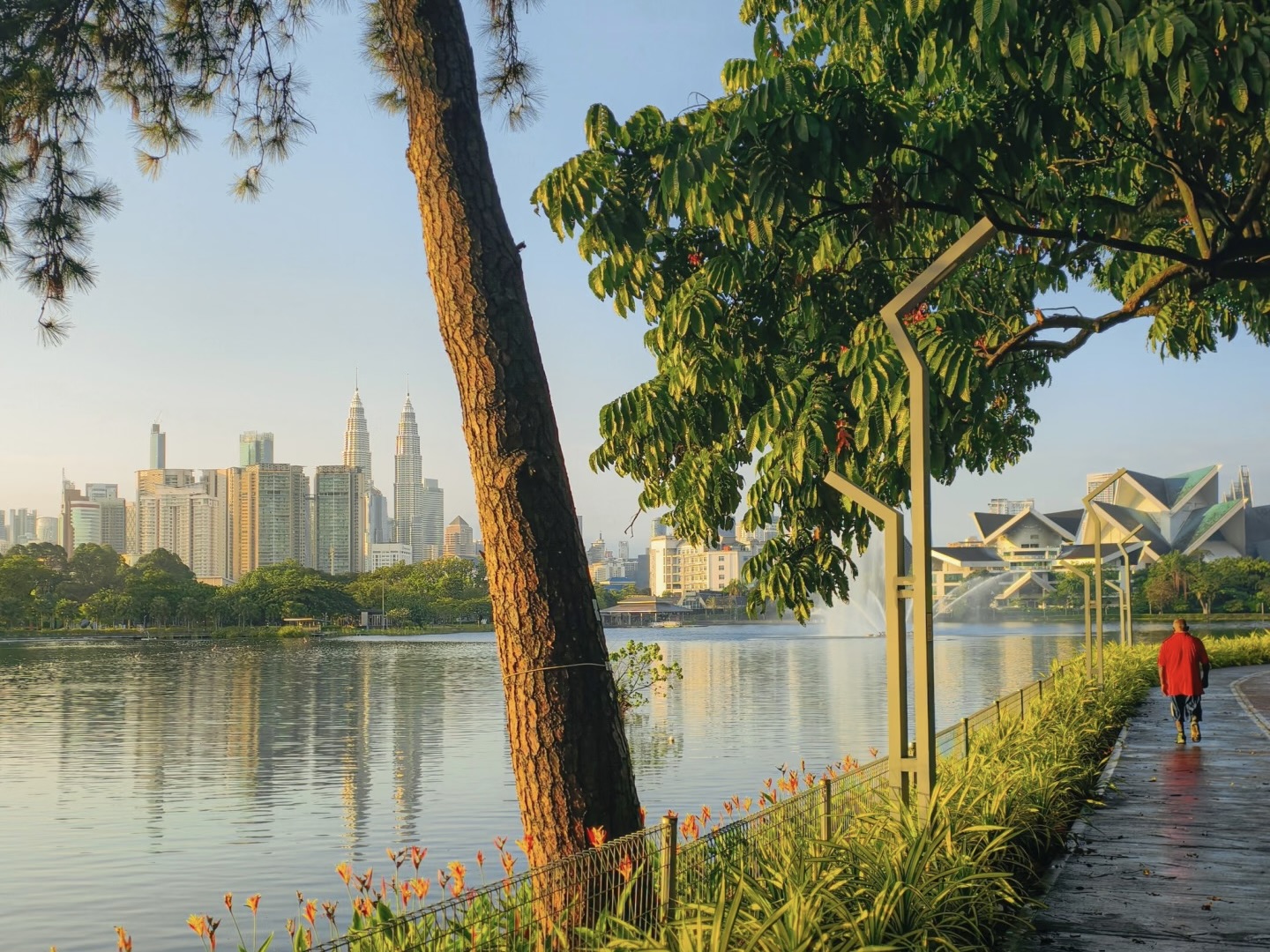
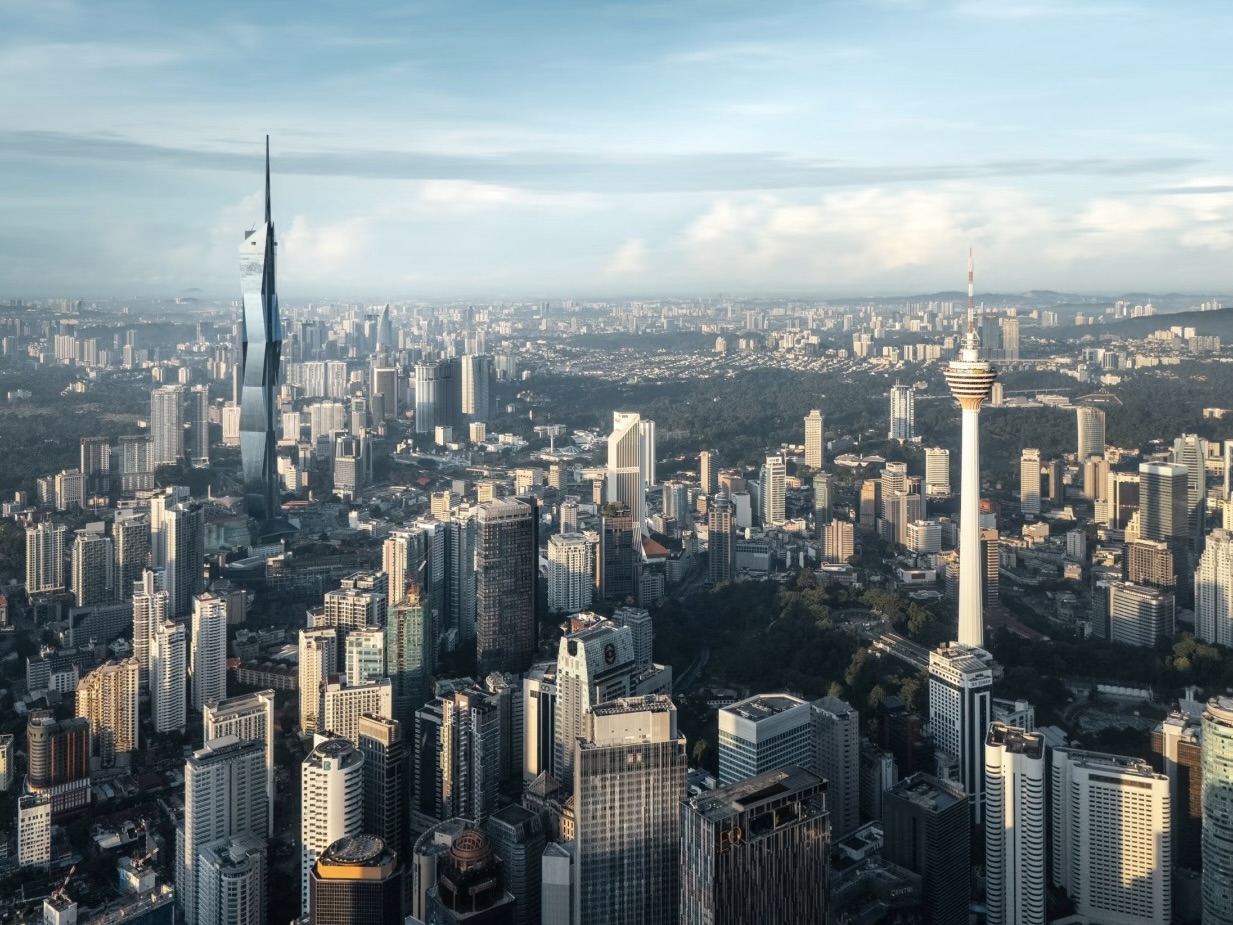
Kuala Lumpur is Malaysia’s cosmopolitan capital, where a multicultural heritage and a modern urban skyline come together to create an energetic setting for international exchange—supported by well-developed city services, public transport, and strong regional air connectivity.
Kuala Lumpur is a city that needs little explanation when it comes to diversity. In the morning, the call to prayer may echo from a nearby mosque; just steps away, the aroma of Chinese tea and pastries fills the air; by evening, the scent of Indian spices drifts through the streets. Different cultures coexist here quietly and naturally, woven into everyday life rather than displayed as spectacle.As the capital of Malaysia, Kuala Lumpur is instantly recognizable by the Petronas Twin Towers, symbols of the city’s confidence in modernity. Their steel and glass forms rise above the skyline, while at street level, older neighborhoods maintain a slower, more grounded rhythm. Around Merdeka Square, colonial-era buildings stand as reminders of the city’s historical path toward independence and self-definition.
Nature plays a subtle but important role in shaping the city’s atmosphere. KLCC Park and other green spaces soften the urban density, while nearby landmarks such as Batu Caves place dramatic limestone cliffs and spiritual sites within the city’s reach. Here, nature, belief, and urban life intersect with ease.
Kuala Lumpur is also a welcoming hub for academic exchange and international dialogue. Students, researchers, and professionals from across Southeast Asia and beyond move comfortably through the city. Conversations often extend beyond formal settings, unfolding in cafés, food courts, or roadside stalls. The city does not demand consensus; it values listening and coexistence.
Contemporary Kuala Lumpur is youthful yet composed. Rather than relying on grand narratives, it reveals its character through everyday interactions and quiet connections. For visiting scholars, it offers a setting that is easy to enter and rewarding to explore, a city that feels open, warm, and genuinely connected to the world.