The Committee of the Interdisciplinary Forum of Frontier Sciences (IFFS) is composed of distinguished scholars and experts from diverse disciplines and institutions. It provides academic leadership and strategic guidance for the Forum, overseeing the scientific program, peer-review process, and overall quality assurance to ensure a rigorous and impactful international meeting.
Emmanuel Stratakis
Foundation for Research and Technology - Hellas
Giulio Cerullo
Politecnico di Milano
Yongheng Huo
University of Science and Technology of China
Zhiming Wang
University of Electronic Science and Technology of China
Chengdu, China
A Confluence of Ancient Heritage and Academic Excellence. Renowned for its rich cultural legacy and vibrant modern development, Chengdu offers a unique setting where tradition meets innovation.
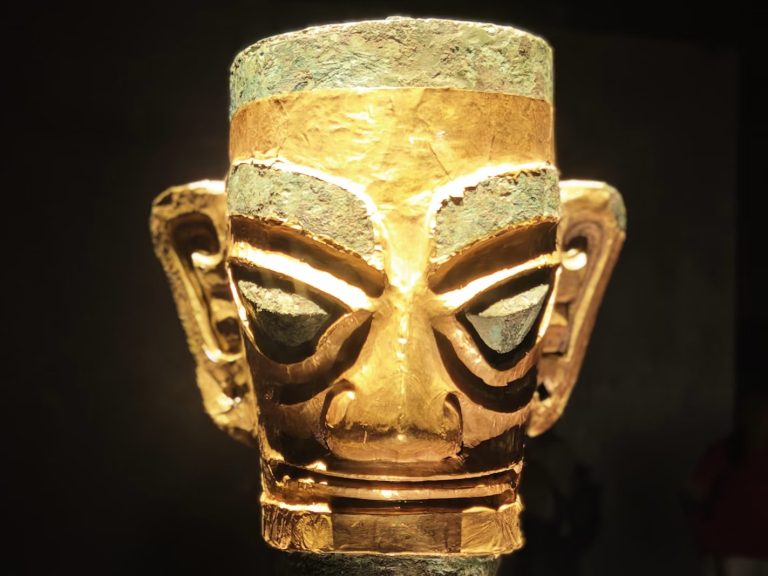
Nestled in the fertile Sichuan Basin, Chengdu—capital of Sichuan Province—has been a cradle of Chinese civilization for over 4,500 years. As the heart of the ancient Shu Kingdom, its legacy began with the enigmatic Sanxingdui culture (1600–1100 BCE), whose haunting bronze masks and sacred trees still baffle archaeologists. By 316 BCE, Chengdu emerged as a pivotal hub on the Southern Silk Road, channeling silk and tea to India and Persia. This history breathes at sites like the Jinsha Ruins, where a 3,000-year-old Sunbird gold foil—now the city emblem—symbolizes Shu’s astrological prowess, and the Wuhou Shrine, where whispers of Zhuge Liang’s Three Kingdoms-era stratagems linger beneath cypress trees.
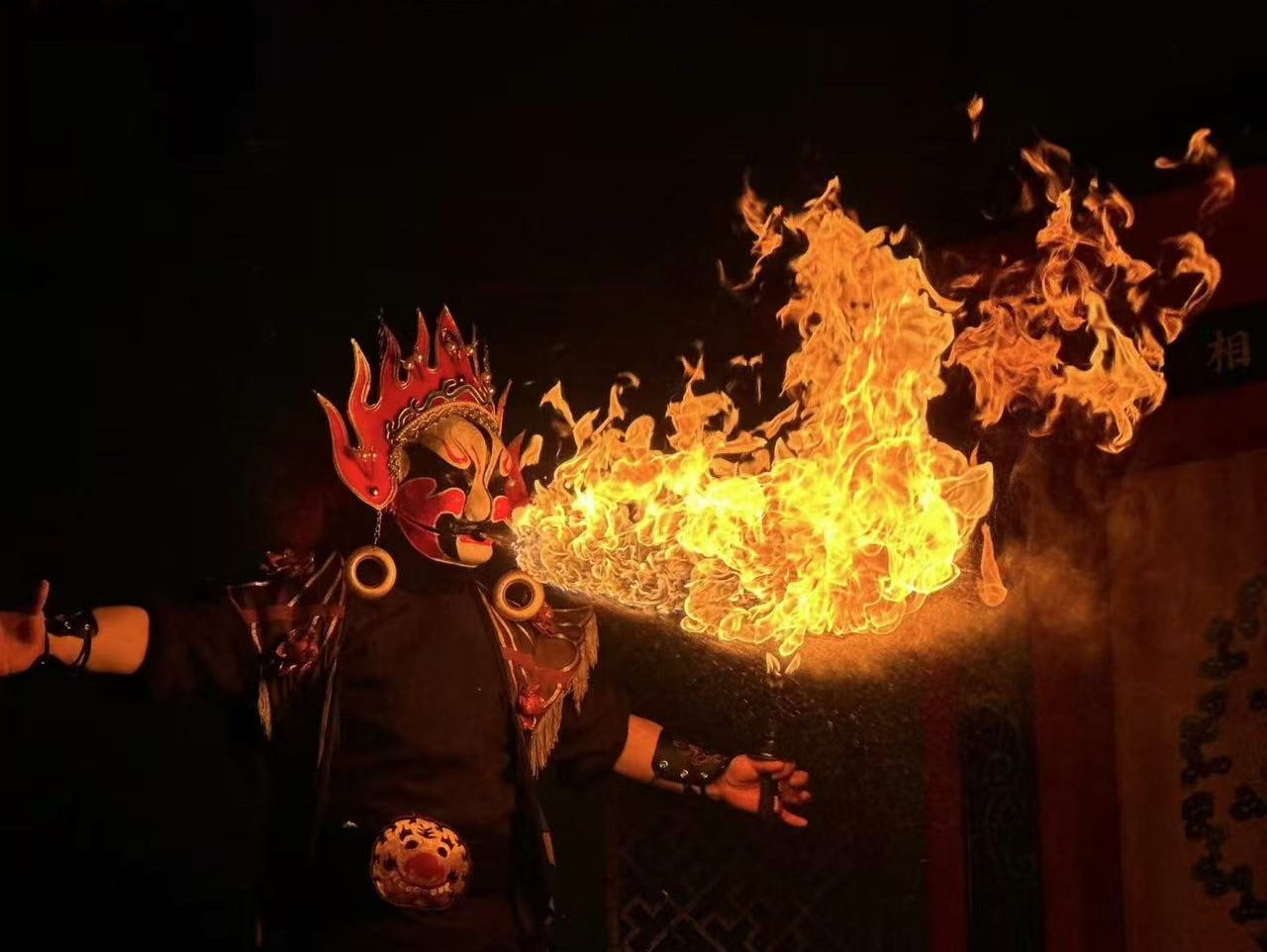
Chengdu’s cultural soul thrives in dual icons: the giant panda and the teahouse. At the Chengdu Research Base, these gentle “living fossils” munch bamboo in misty enclaves, embodying China’s ecological heritage. Meanwhile, in centuries-old teahouses like Hemingtang, locals recline in bamboo chairs, sippling jasmine tea amid clattering mahjong tiles—a ritual of “huó zhe” (living leisurely) that defines Chengdu’s philosophy. At night, Sichuan opera electrifies stages with fire-spitting and “bian lian” (face-changing), a secret art passed down through generations.
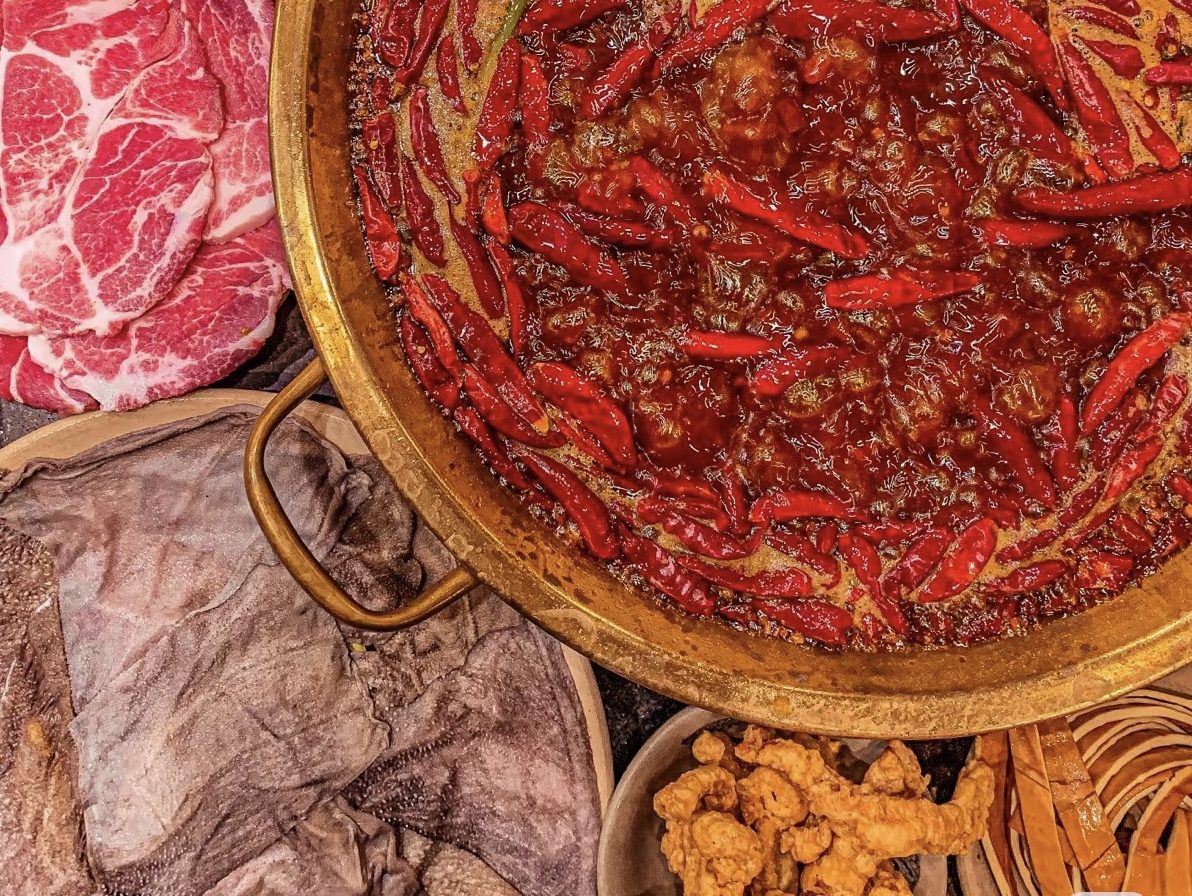
In 2010, UNESCO crowned Chengdu a City of Gastronomy, honoring its fiery, tongue-numbing cuisine. From the mouth-numbing peppercorns in mapo tofu to communal hotpots bubbling with chili-laden broth, flavors here are audacious yet nuanced.
Beyond tradition, Chengdu surges forward as China’s “Silicon Valley of the West”, home to the Tianfu Software Park and over 100 Fortune 500 companies. Historic lanes like Kuanzhai Xiangzi (Wide and Narrow Alleys) now house avant-garde boutiques beside Qing-dynasty courtyards, while the Chengdu Science City fuels breakthroughs in AI and biomedicine.
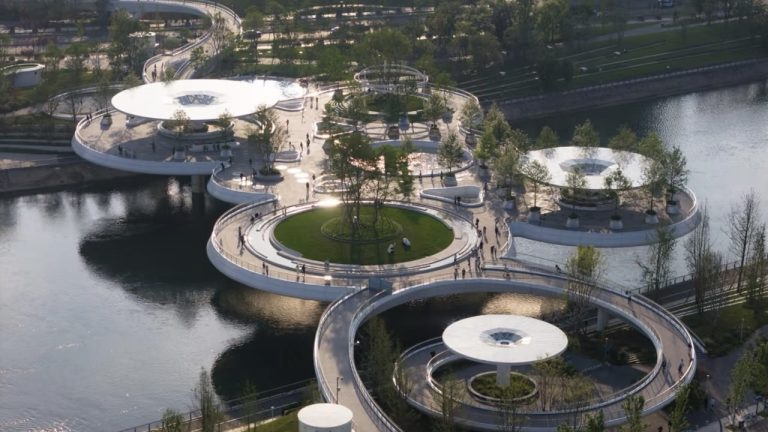
With 16 million residents, Chengdu balances growth with greenery—its “Park City” initiative weaves 15,000 hectares of urban forests into skyscraper skylines. For global scholars, it offers not just cutting-edge forums but a gateway to China’s soul: where pandas nap, peppercorns tingle, and 5,000 years of ingenuity pulse through every steaming cup of tea.